
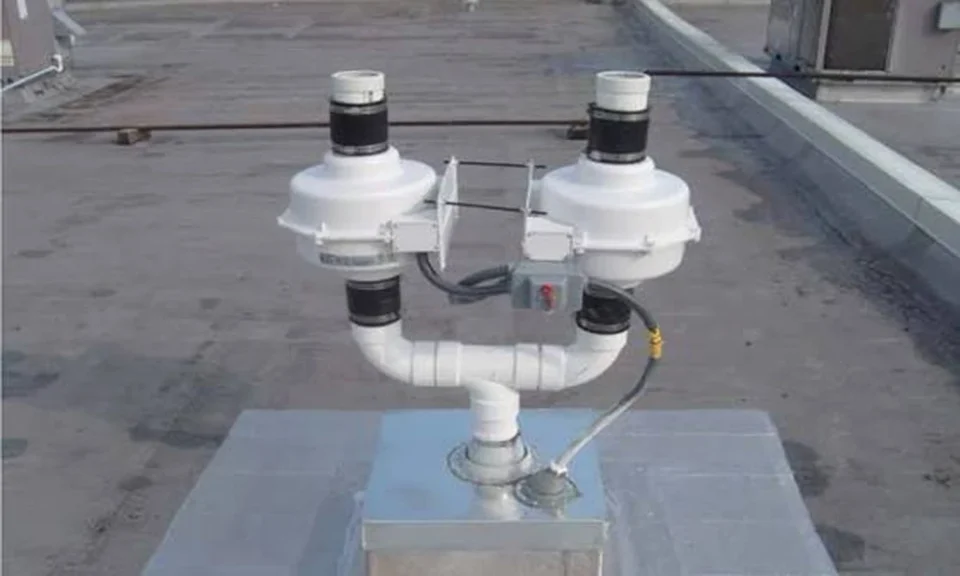
Indoor air quality has a major role in making a space feel safe and healthy to live in. When harmful chemicals, that come from contaminated soil or groundwater, find their way inside a building, there’s no easy fix.
There are traditional ventilation methods that many property owners are using. However, the vapor intrusion mitigation system is also worth considering. That’s why it matters if you know the difference between a vapor intrusion mitigation system and standard ventilation.
Traditional Ventilation
This is the most common way to improve indoor air circulation. You let the outdoor air in while pushing indoor air out. This can happen naturally, through windows and vents. It can also be done mechanically. Many are using HVAC systems, exhaust fans, and air handling equipment.
Traditional ventilation solutions help manage temperature and humidity. This also supports indoor air quality. It cuts down odors and airborne pollutants produced inside the building itself. Still, none of these are truly intended to stop contaminated soil gases from getting inside your property.
Vapor Intrusion Mitigation System
This system is specifically designed to keep dangerous chemical vapors from sneaking into a building. Usually, those vapors are connected to volatile organic compounds (VOCs). These are found in the soil or groundwater.
A common vapor intrusion mitigation approach is sub-slab depressurization. This builds negative pressure below the structure and then vents those gases out, safely, before they reach indoor spaces. Some setups also use a variety of methods to ensure that it offers a long-lasting solution.
Understanding the Main Differences
The biggest difference between these two solutions is that a vapor intrusion mitigation system prevents contaminants from getting inside the building. Traditional ventilation just moves air around after it has already made it into the indoor environment.
Vapor mitigation is more about going for the root problem. It intercepts harmful vapors that are possibly coming beneath the structure. Traditional ventilation, on the other hand, only spreads out the indoor pollutants. This is not really the solution for removing dangerous chemical vapors that can seep from the ground.
Installation and Long-Term Performance
Installing a vapor intrusion mitigation system in place usually involves a professional environmental assessment first. A custom system layout and installation will then follow. It is crucial to only work with professionals, because that way you get industry-standard materials. Also, the installation process needs to comply with local laws. Traditional ventilation is often easier to set up. However, it is not as effective as the vapor intrusion mitigation system.
Conclusion
Vapor intrusion mitigation systems and traditional ventilation both deal with moving air. However, they’re built for completely different purposes. Traditional ventilation is mainly about comfort and air circulation. On the other hand, vapor intrusion mitigation systems work differently. They are intended to protect occupants from dangerous gases.
This guide helps make it easier for property owners to select the most fitting solution. Dealing with dangerous gases is not easy. Make sure it actually supports a healthier indoor space and helps you manage long-term safety against environmental contamination.
