
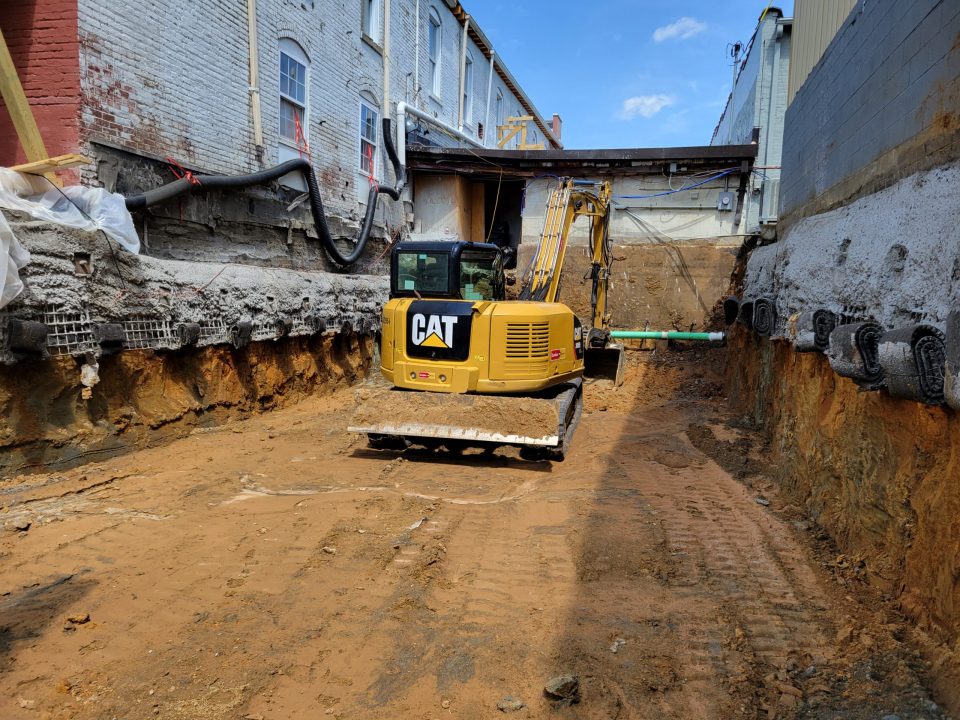
Unexpected disaster on a construction site rarely announces itself with a warning. Temporary shoring, those temporary supports that keep structures and workers safe during construction or repairs, can feel deceptively simple. Yet, the smallest oversight can trigger catastrophic results, with consequences that ripple far beyond the immediate area.
When Temporary Shoring Goes Wrong: Real-World Lessons
In recent years, construction failures linked to temporary shoring have drawn uncomfortable attention to the industry. The stories are as varied as the sites themselves but share a chilling common thread: negligence somewhere along the line.
Case Study 1: Site Collapse Due to Inadequate Load Assessment
A downtown excavation seemed routine until vibrations from nearby machinery, combined with underestimated soil pressure, caused a shoring wall to fail. The collapse endangered workers and delayed the project by months. Later investigation revealed the load calculations ignored several key factors, including water saturation in the soil.
Case Study 2: Unexpected Soil Movement and Its Impact
On a different site, engineers believed they had accounted for all geotechnical variables. Unfortunately, heavy rains altered soil consistency overnight, shifting the shoring supports subtly out of position. No injuries occurred, but the repair and re-shoring costs quickly eroded the project’s profitability.
Case Study 3: Weather-Related Failures in Shoring Systems
Even the best-laid shoring can buckle under atypical weather. In one case, a rapid freeze-and-thaw cycle weakened temporary supports, leading to a partial collapse. The aftermath forced the team to reconstruct not just the shoring, but also their approach to monitoring environmental risks.
Understanding the Core Risks Behind Temporary Shoring
Beneath every shoring mishap lies a mix of overlooked details, external forces, and human factors.
Structural Integrity: What Can Be Overlooked?
It’s easy to focus on the obvious, will the shoring hold the intended weight? Yet, problems often arise from cumulative minor misjudgments: small cracks in wood, under-spec steel, or connector bolts fitted incorrectly. These minute errors can multiply under strain.
Environmental Factors That Often Get Ignored
Construction rarely happens in a vacuum. Fluctuating temperatures, unexpected storms, changes in groundwater, and even nearby construction can all impact temporary supports. Ignoring environmental data is like flying blind.
Human Error and Communication Breakdowns
Misread plans, assumptions about who is responsible for inspections, or lapses in shift-to-shift communication can turn routine work dangerous. In many cases, the problem isn’t what was planned, but what was assumed or forgotten.
The Hidden Costs of Overlooking Shoring Pitfalls
The price of a shoring failure goes far beyond the initial repair.
Direct Financial Impacts on Construction Projects
Even a single day of shutdown multiplies costs exponentially. Emergency repairs, re-inspections, and rework can devour budgets intended for other project phases.
Safety and Legal Repercussions
Worker safety is non-negotiable. A failure can result in serious injuries or fatalities, triggering investigations, legal action, and regulatory penalties.
Project Delays and Reputation Damage
Delays reverberate through schedules, eroding client trust and tarnishing reputations. In the competitive construction industry, a single high-profile incident can shadow a firm for years.
Best Practices from Industry Leaders: Avoiding Common Traps
Industry leaders know that the devil is in the details, and that prevention comes from discipline, not luck.
Comprehensive Site and Load Analysis Techniques
Successful teams use robust modeling software and site-specific data, continually updating assumptions as conditions change. Load paths are traced, and every variable (from traffic vibrations to weather forecasts) is considered.
Innovative Materials and Technologies to Enhance Safety
High-strength engineered lumber, modular steel systems, and real-time monitoring sensors have revolutionized temporary shoring. These innovations are quickly becoming standard for those unwilling to gamble on outdated methods.
Effective Communication and Documentation Strategies
Clear records, daily checklists, and open communication channels make it harder for small mistakes to slip through. Firms such as NadeauSDM ingénieur structure temporaire offer expertise in coordinating both design and field implementation.
How to Conduct a Thorough Risk Assessment for Temporary Shoring
A systematic assessment is your best weapon against hidden pitfalls.
Identifying All Potential Failure Modes
From buckling under unexpected weight to connection failures, each vulnerability must be mapped out before work begins.
Integrating Environmental and Operational Variables
Risk isn’t static. Daily reviews should incorporate weather updates, site observations, and operational changes.
Leveraging Expert Consultation and Third-Party Reviews
Bringing in outside specialists or independent reviewers can catch biases and blind spots before they become disasters.
Emergency Response and Recovery: Minimizing Damage When Things Go Wrong
No system is foolproof. What separates a close call from a catastrophe is preparation.
Early Warning Systems and Monitoring Tools
Sensors that track movement or load shifts, paired with alert protocols, can spot trouble and prompt swift action.
Case Study: Successful Containment After Shoring Failure
One site’s prompt response included evacuation, stabilization, and collaboration with outside experts. Their planning ensured no injuries and limited financial loss.
Developing Robust Contingency Plans
Drills, clear action steps, and resource stockpiles make teams ready to respond, not react.
Future Trends: Innovations That Could Eliminate Hidden Pitfalls
What’s next for temporary shoring? The industry is moving decisively toward prevention.
Smart Shoring Systems and IoT Integration
Shoring that “talks” to engineers, providing real-time stress and movement data, will soon be standard.
Advances in Simulation and Predictive Modeling
AI-powered tools are making it easier to foresee problems before they occur, reducing guesswork to a minimum.
Regulatory Changes and Industry Standards on the Horizon
As failures are analyzed and lessons learned, expect stricter codes and a rising expectation for transparency and documentation.
Temporary shoring is less about holding up a structure and more about supporting the lives and livelihoods around it. Overlooking hidden pitfalls isn’t just risky, it’s irresponsible. The safest sites are those where vigilance never sleeps.
