
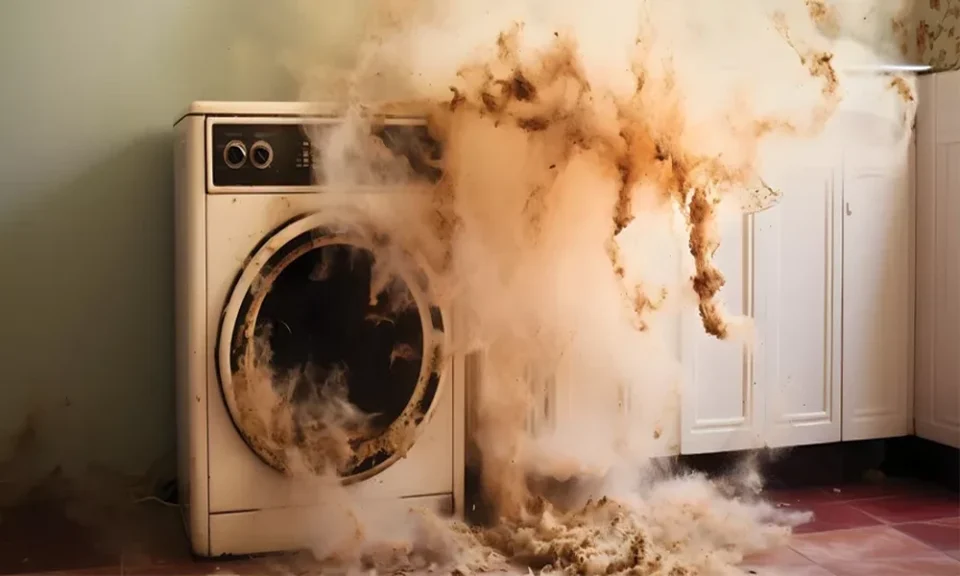
Nothing disrupts laundry day like opening your dryer to find clothes still cold and damp. When your dryer loses its heat, suddenly even the simplest chores become a hassle. Before you panic or rush to replace the whole unit, understanding what’s behind this common problem can save you both time and money.
Understanding Why Your Dryer Isn’t Heating
Behind every warm, fluffy towel is a straightforward heating system working quietly in the background. Your dryer pulls in air, heats it with an electric element or gas burner, and circulates it through the drum to dry clothes. When this system fails, whether because of a mechanical issue, electrical fault, or airflow problem, the heat simply disappears.
Often, the first sign is obvious: clothes that stay wet after a full cycle. Some dryers will run but blow only cool air, while others may stop mid-cycle or display warning lights. Heat isn’t just about faster drying; without it, moisture clings to fabric, inviting mildew and stretching out laundry routines indefinitely.
Electrical and Power Issues Affecting Dryer Heat
Electric dryers are only as good as their power supply. If the heating element burns out due to age, overuse, or a power surge, you’ll be left with a cold drum. Symptoms include cycles that finish as normal but with no warmth, or a dryer that seems to run endlessly without drying clothes.
Another frequent culprit is the thermal fuse. This small, single-use safety device protects your dryer from overheating. If the vent is clogged or the dryer gets too hot, the fuse blows, cutting power to the heat source. If your dryer runs but won’t heat, a blown thermal fuse is a top suspect.
Don’t overlook circuit breakers or loose wiring. Sometimes, a tripped breaker delivers just enough power for the drum to turn but not enough to engage the heating element. Always check your panel before calling in repairs.
Ventilation and Airflow Problems
A hot dryer is only useful if the heat can circulate. Blocked vents choke off the airflow, causing heat to build up inside the machine and eventually triggering safety mechanisms. Lint, dust, and even stray socks can clog ducts, reducing heat efficiency or causing the dryer to cut out altogether.
Cleaning the vent and ductwork often revives a sluggish dryer. Look for lint buildup around the vent opening, reduced airflow, or a musty odor. Regular cleaning not only restores heat but also reduces fire risk and extends the life of your appliance.
Poor airflow can also lead to overheating, which shuts down the heating element or blows safety fuses. If your dryer gets unusually hot or seems to take longer than usual, airflow should be your first checkpoint.
Thermostat and Sensor Malfunctions
Modern dryers use thermostats and sensors to keep temperatures just right. When these components fail, your dryer might overheat, underheat, or refuse to heat up at all. A faulty thermostat may not signal the heating element to engage, while a bad sensor might send mixed messages, confusing the system.
Testing thermostatic components often requires a multimeter and some know-how. If you’re not comfortable handling electrical parts, it’s wise to call a professional to avoid further damage or voiding your warranty.
Motor and Belt-Related Causes for No Heat
The motor powers the drum and the blower, both of which are essential for proper heat circulation. If the motor is failing or the belt that turns the drum breaks, the heating circuit may not activate, depending on your dryer’s design. A broken belt often comes with a telltale thumping noise or a drum that won’t spin.
Sometimes, repairs are possible; other times, especially with older units or major motor issues, replacement makes more sense. Always weigh the cost and expected lifespan of the fix.
Maintenance Tips to Prevent Dryer Heat Issues
Prevention makes all the difference. Establish a habit of cleaning the lint trap before every load and inspecting vents at least every few months. Watch for warning signs like longer drying times, unusual sounds, or persistent dampness.
Common user mistakes, like overloading the drum or ignoring full lint traps, are leading causes of heating problems. A little care goes a long way in keeping your appliance running smoothly.
If you’ve checked the basics and the issue persists, don’t hesitate to consult a professional. Attempting complex repairs without the right expertise can worsen the damage and compromise safety.
Choosing the Right Repair Solution
DIY troubleshooting is ideal for simple fixes: clean the vent, check the breaker, or replace a worn belt. For anything involving internal wiring, heating elements, or sensors, professional help is your safest bet.
A skilled technician can diagnose the issue quickly, provide a clear repair estimate, and often guarantee their work. Compare costs to the price of replacement and consider any remaining warranty coverage to make the best decision.
Dryer Repair Services in Ottawa and Surrounding Areas
Local experts play a crucial role in getting your dryer up and running quickly. Experienced technicians know how to pinpoint heating failures, whether from a blown fuse, faulty thermostat, or clogged vent.
In Ottawa, services like Honest Guys dryer repair stand out for their transparent assessments and satisfaction guarantees. They evaluate your appliance thoroughly, recommend only the repairs you need, and back their work, so you don’t have to second-guess your decision.
Preparing for your appointment is simple: clear the laundry area, have your model information handy, and describe the symptoms you’ve observed. With the right support, even the coldest dryer can be brought back to life, restoring warmth and convenience to your home.
