
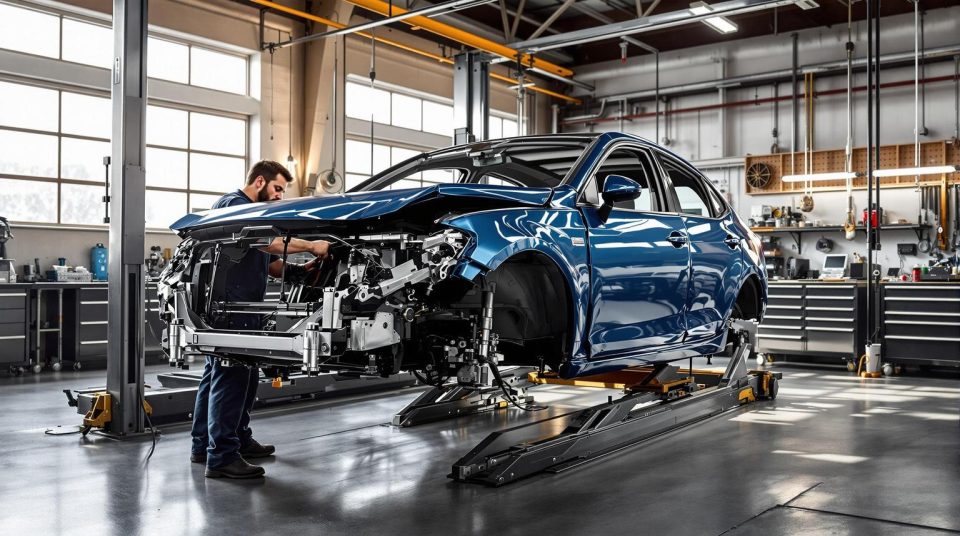
Repair precision has become essential as structural damage affects safety and performance. Tools used for correcting frames now follow measured methods that reduce guesswork while improving alignment outcomes. A pickup frame alignment bench plays a key role by holding structures firmly while controlled force reshapes damaged sections. This process ensures parts return to correct positions based on exact measurements. Better alignment supports smoother operation, reduces uneven wear, and maintains long-term reliability. Clear methods combined with modern tools allow technicians to work with confidence while improving results across different repair situations.
How does alignment equipment function today
Modern alignment systems use measured pulling force combined with fixed support points to reshape damaged structures while maintaining stability throughout the correction process, ensuring consistent outcomes across different repair tasks with improved structural accuracy.
Why stable support improves repair accuracy
Stable support holds the structure in position during correction, which prevents shifting while force is applied, ensuring accurate reshaping without additional distortion, improving overall alignment results across different repair conditions effectively.
|
Feature |
Function |
Benefit |
|
Fixed clamps |
Hold the structure steady |
Prevent movement |
|
Measuring system |
Provide accurate data |
Reduce errors |
|
Pulling tools |
Apply controlled force |
Restore shape |
|
Support frame |
Maintain stability |
Improve precision |
How controlled force shapes damaged areas
Controlled force allows gradual correction of bent sections, which reduces the risk of over-adjustment while maintaining structural integrity, ensuring that reshaping follows accurate measurements for better repair quality across all affected areas.
How alignment improves structural strength
Correct positioning restores original balance across the structure, which helps distribute load evenly during use, reducing stress points while improving durability, ensuring long-term performance without recurring structural issues.
Why proper calibration ensures better results
Calibration ensures tools operate within correct limits, which maintains measurement accuracy during repair, allowing technicians to follow precise data, ensuring consistent alignment outcomes across different repair conditions without deviation.
How technology enhances repair efficiency
Improved systems reduce time spent on adjustments by providing clear data guidance, allowing faster correction while maintaining accuracy, ensuring repair tasks are completed efficiently without sacrificing structural alignment quality.
Why consistency matters in repair work
Consistent processes ensure similar outcomes across different repairs, which improves reliability while reducing variation in results, ensuring each corrected structure meets expected standards for performance and safety after completion.
How does equipment adapt to different types of damage?
Flexible systems adjust to various structural conditions, allowing correction of different damage levels while maintaining precision, ensuring tools support multiple repair needs without reducing alignment accuracy across varying situations.
Effective repair depends on careful methods supported by accurate tools that guide each adjustment step without confusion. When structure correction follows measured data, results become more reliable with fewer repeated efforts. Balanced alignment supports durability while reducing stress across connected parts. Choosing proper systems combined with correct workflow improves overall repair success. A pickup frame alignment bench remains essential for maintaining control during correction while ensuring each section returns to its intended position with precision.
FAQs
What does alignment equipment do
Alignment equipment corrects structural shape using controlled force measured data, ensuring accurate positioning improves safety and stability during daily use conditions.
Why is measurement important during repair
Measurement ensures each section returns to the correct position, reducing errors while improving structural balance during the correction process for better results.
